Designing Public Health Communication — Stunting Prevention
Partner: Public Health Initiative / NGO
Role: Visual Strategy, Information Design, Campaign Communication
Context: Public Health · Nutrition · Behaviour Change · Community Engagement
Project Overview
This project focused on designing visual communication for a public health initiative addressing child nutrition and stunting prevention. The work explored how design can support clearer understanding, behavioural awareness, and community engagement around complex health issues.
Rather than relying on technical or directive messaging, the project positioned design as an interpretive tool—bridging medical knowledge, public policy, and everyday life.
Context & Challenge
Public health communication often faces challenges related to complexity, accessibility, and trust. Messages are frequently technical, fragmented, or visually generic, making them difficult to understand and engage with—particularly for non-specialist audiences.
The challenge was to translate critical health information into communication that was clear, relatable, and culturally sensitive, while maintaining accuracy and institutional credibility.
Design Strategy & Approach
The design approach centred on clarity, empathy, and usability.
Information Design as Foundation
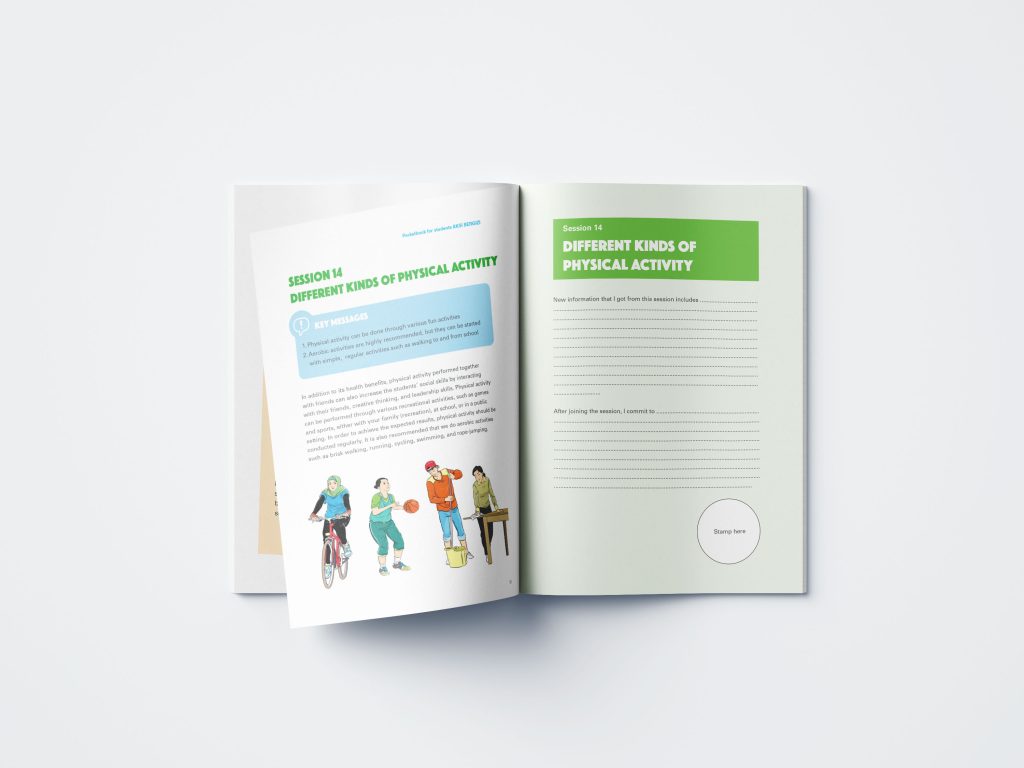
Editorial principles were used to structure content—establishing clear hierarchy, pacing, and emphasis to guide understanding. Visual elements supported comprehension rather than decoration.
Accessible & Inclusive Visual Language
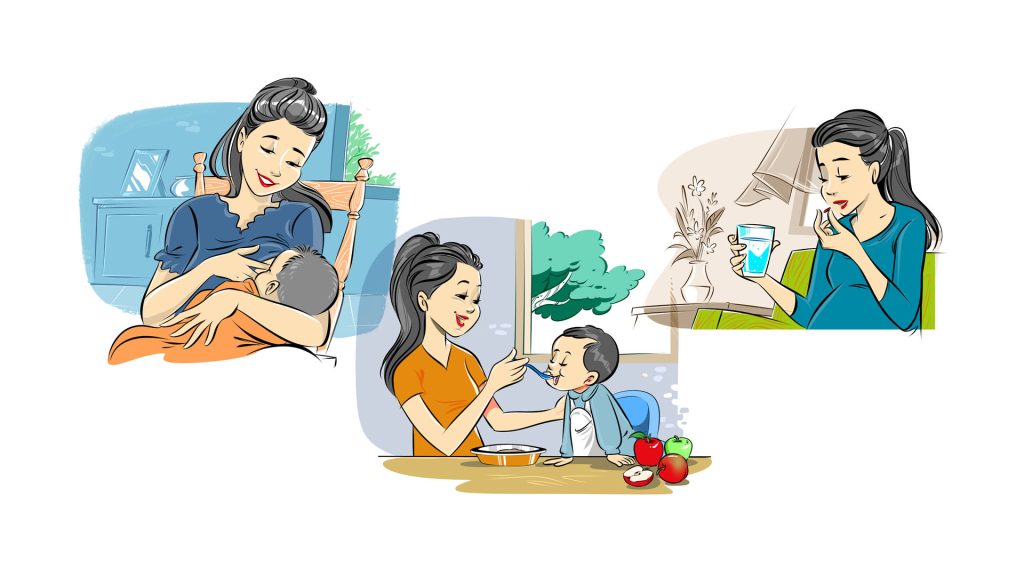
The visual system was developed to be friendly, non-intimidating, and context-aware. Typography, colour, and illustration were carefully considered to avoid stigma or moralising tones.
Design for Behaviour Awareness
Rather than instructing audiences what to do, the communication aimed to raise awareness and support informed decision-making—acknowledging social, economic, and cultural realities.
Role of Design
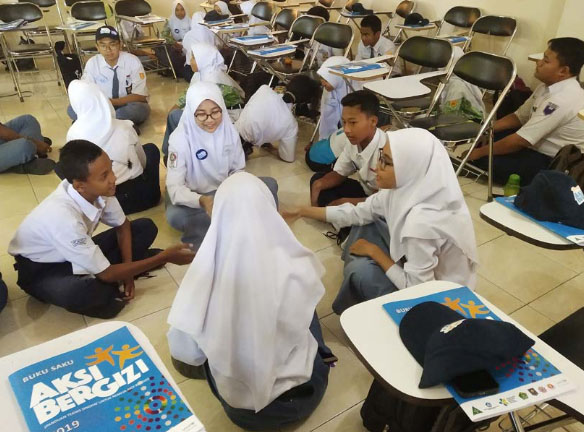
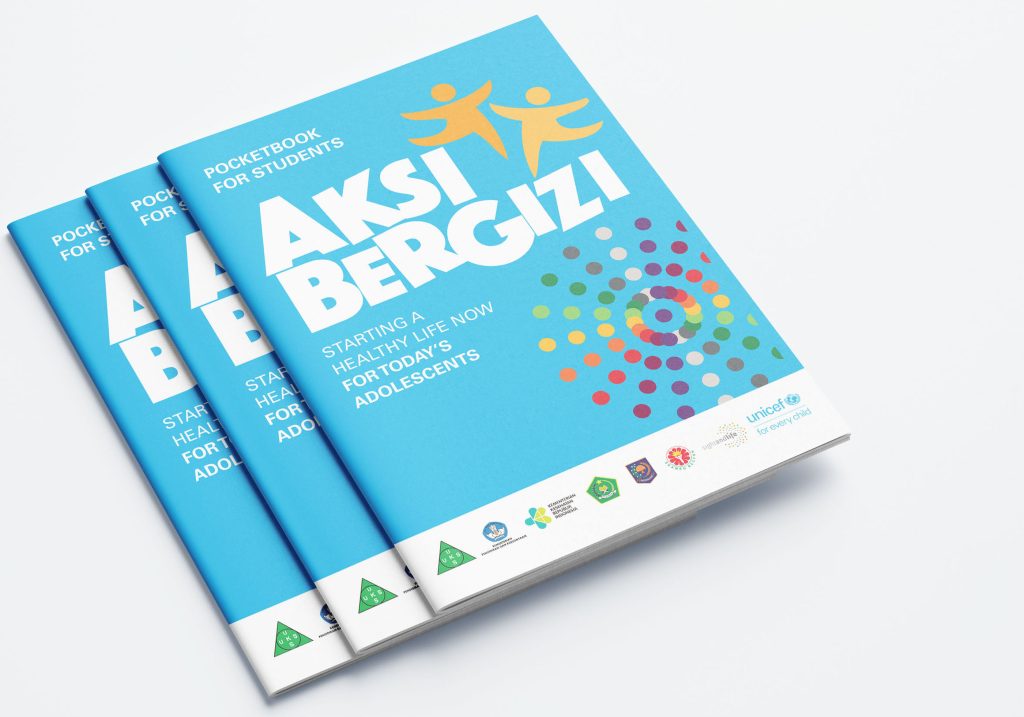
My role involved developing the visual strategy, structuring health information into accessible formats, and designing campaign materials that could be used across different channels and community contexts.
Design functioned as a mediator—connecting health expertise, institutional goals, and everyday understanding.
Outputs
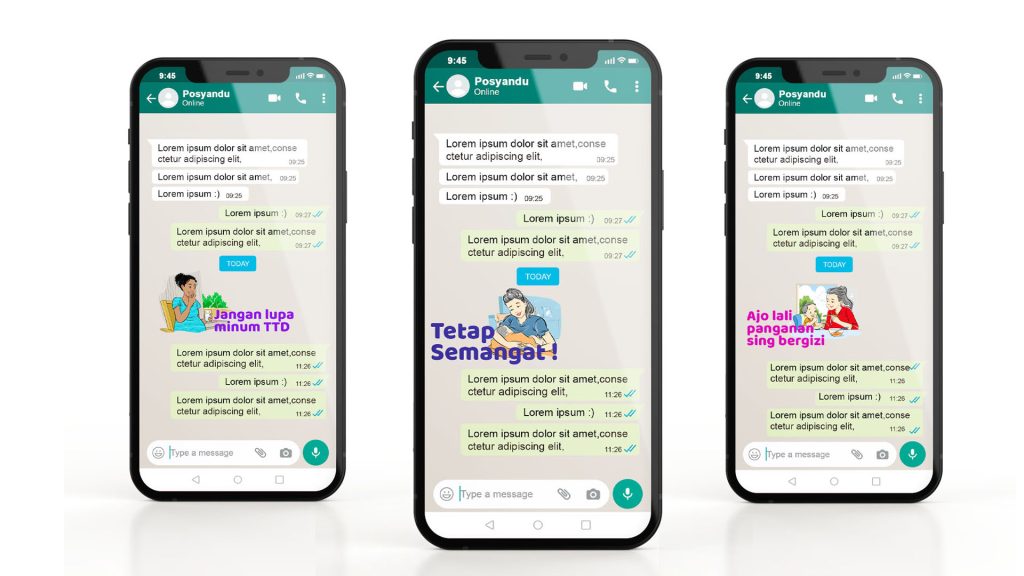
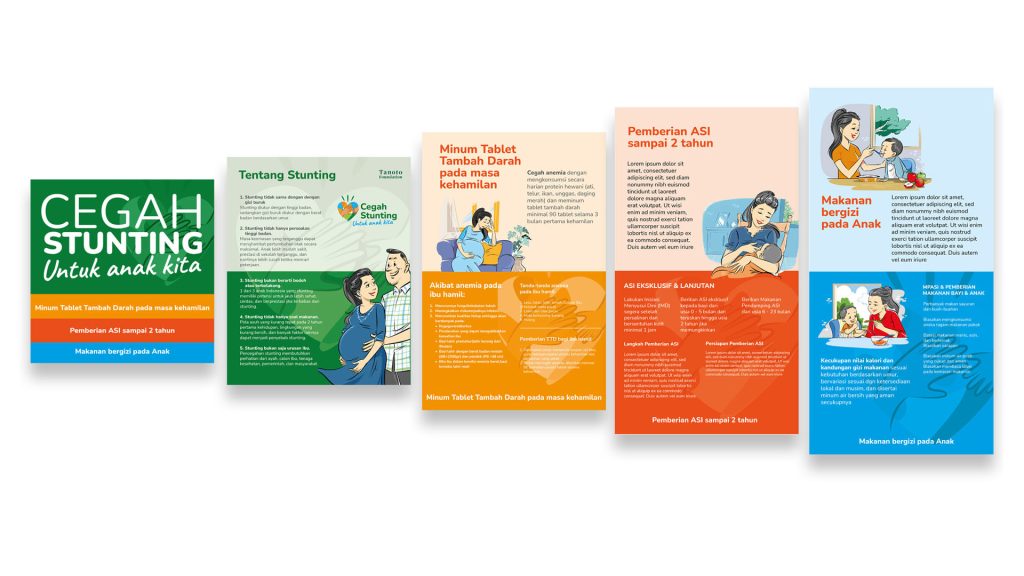
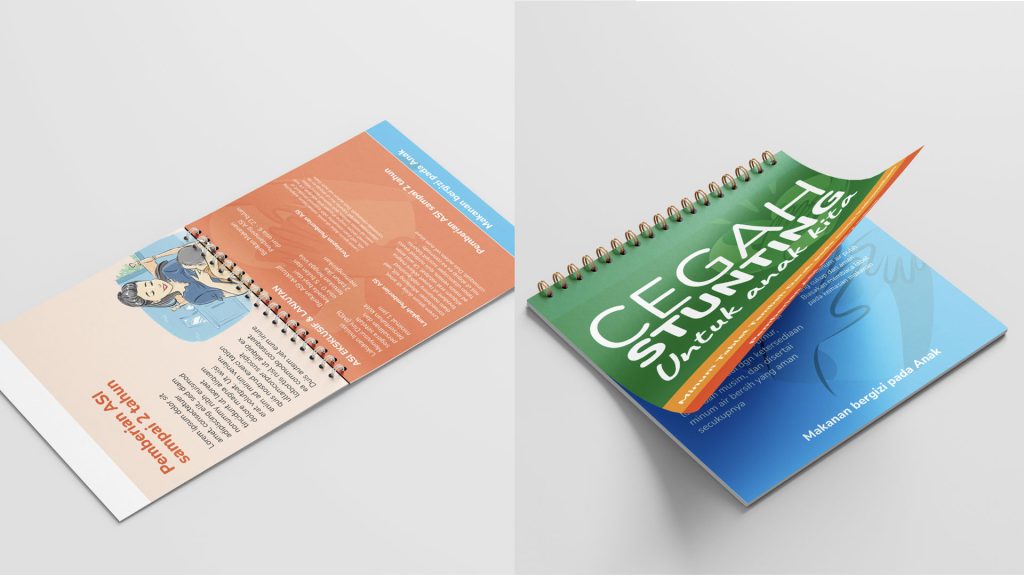
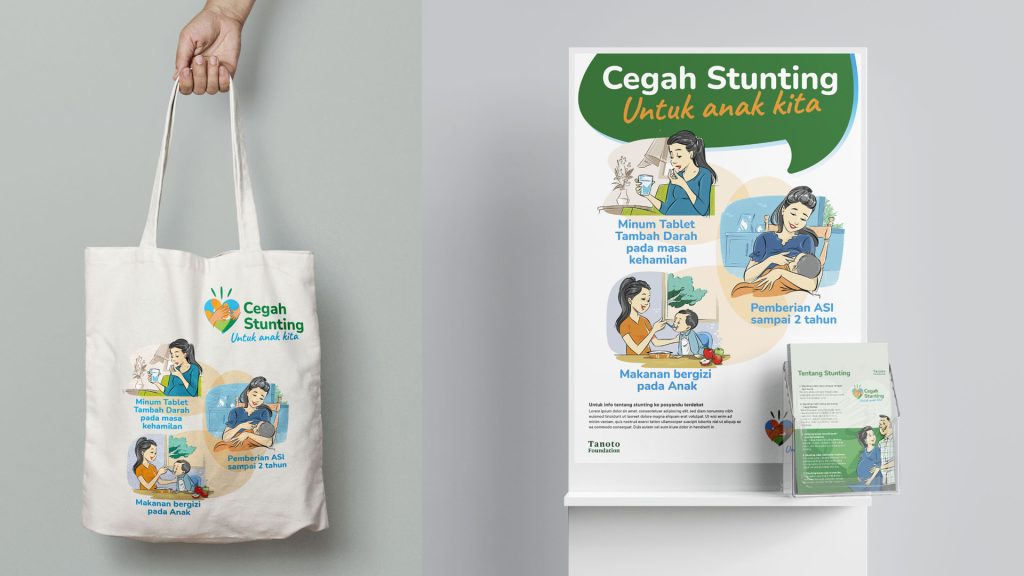
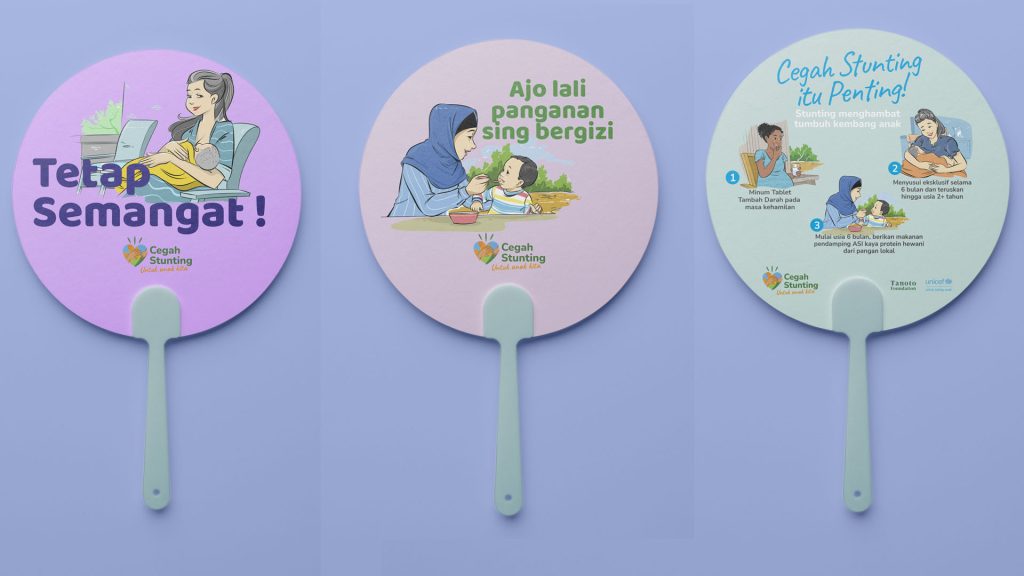
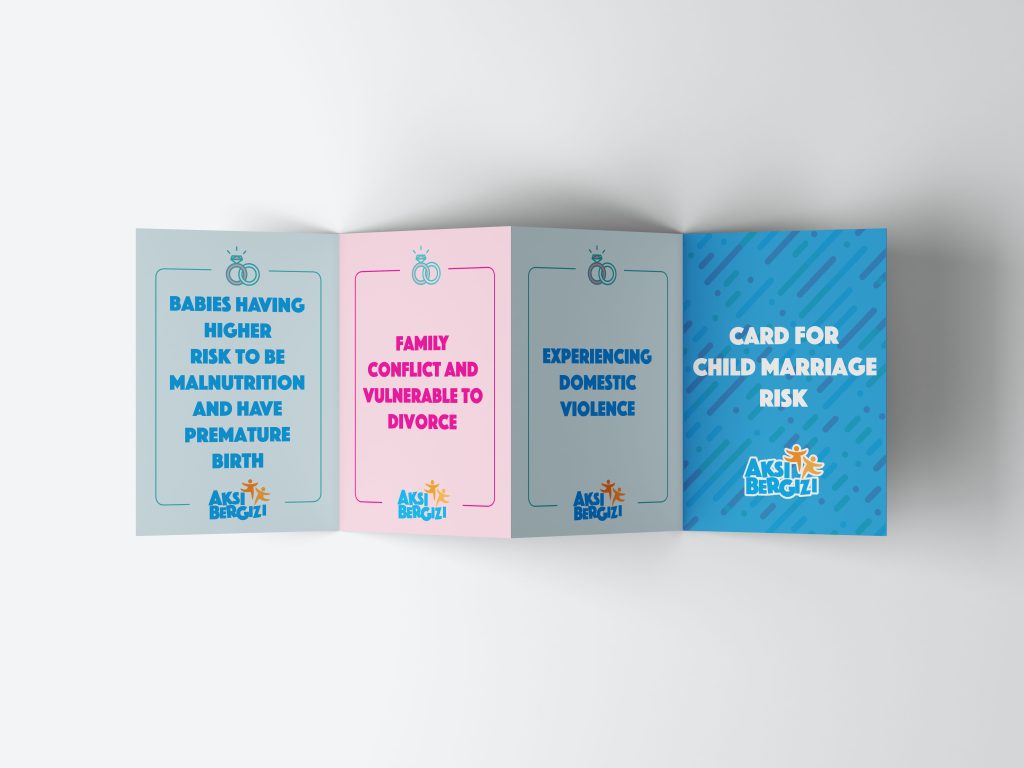
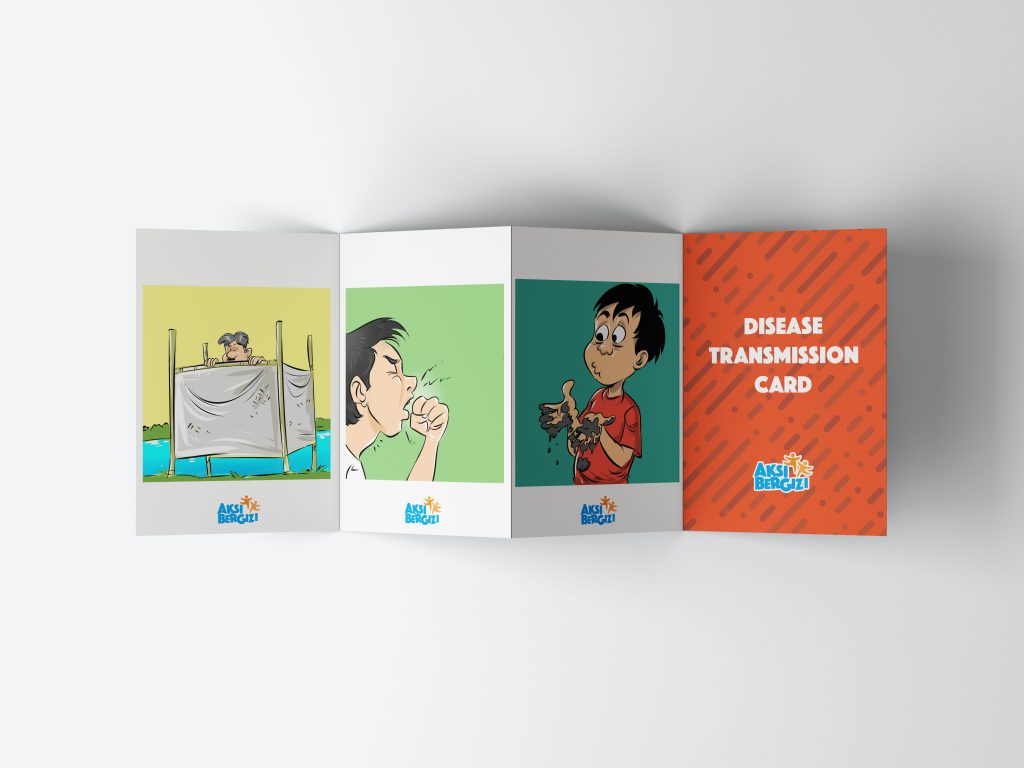
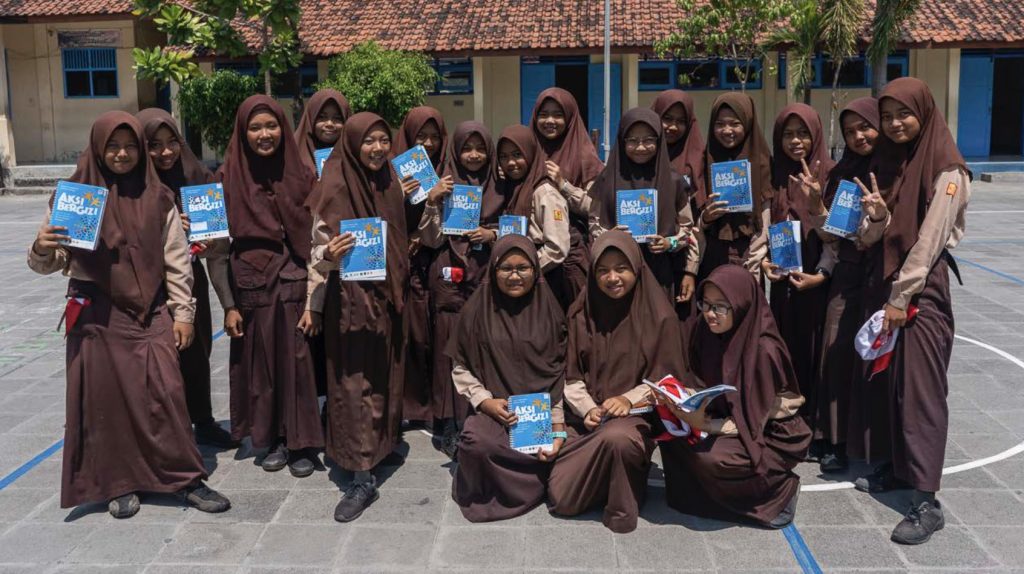
- Campaign posters and public-facing communication materials
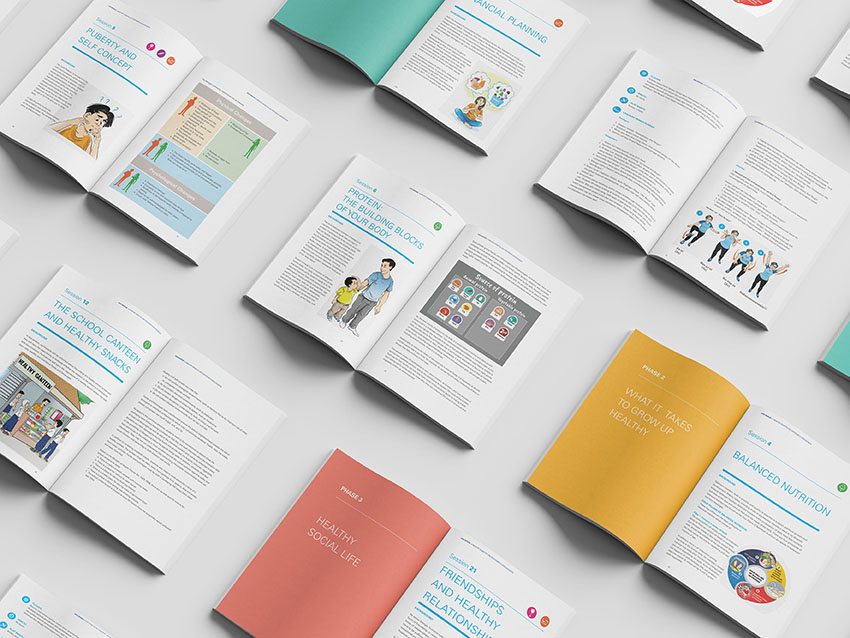
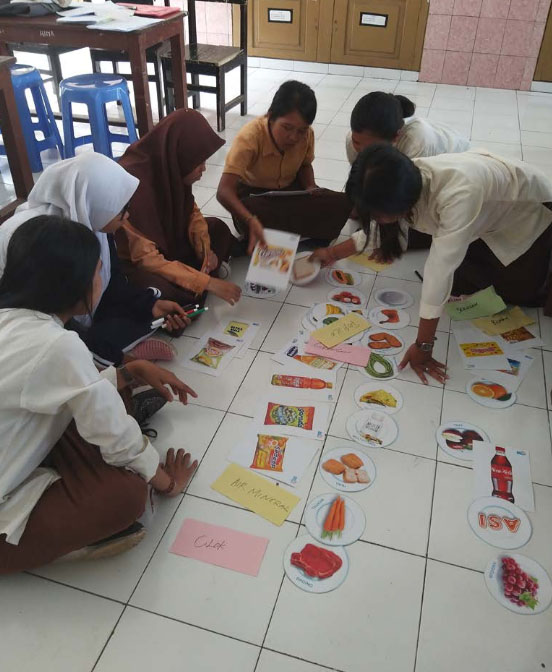
- Educational visuals supporting nutrition awareness
- Information layouts for community outreach
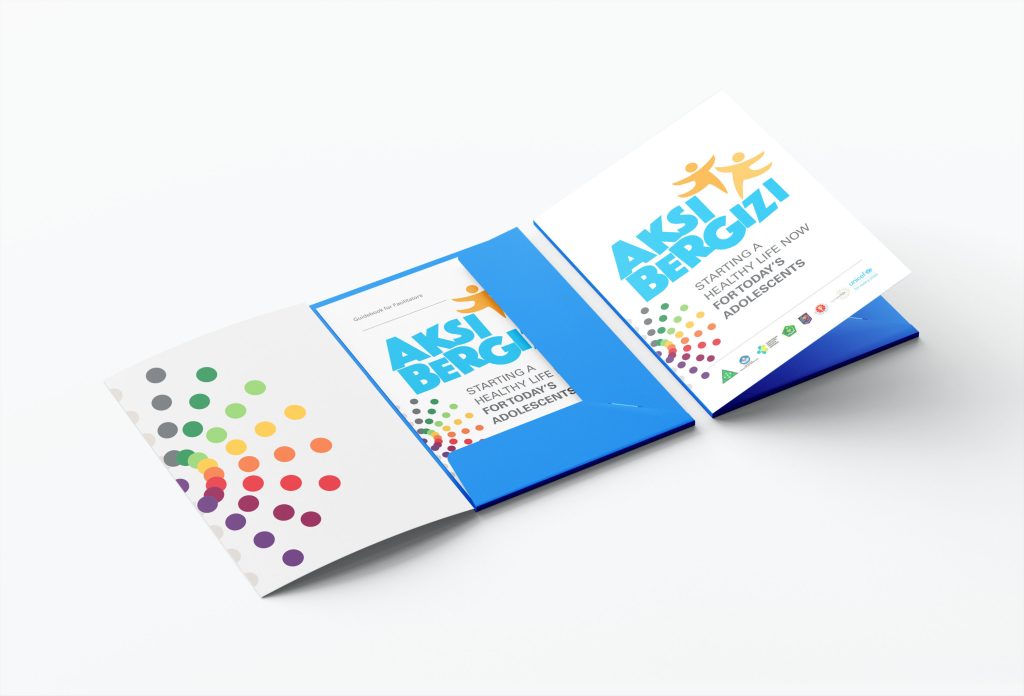
- Visual guidelines for consistent messaging
Impact & Reflection
The project demonstrates how design can strengthen public health communication by making information more understandable, approachable, and relevant.
By prioritising clarity and empathy, design helped support conversations around nutrition and child health—positioning communication not as instruction, but as shared understanding.
This case reflects a design practice where visual communication contributes meaningfully to public health outcomes and social wellbeing.